|
“The machines started running last week,” said Sarah Corey, Marketing Manager for IceStone.
Wednesday, May 8th 9:30 am - 5:30 pm Register today! The weather's heating up as if in expectation of the second annual Soapbox User Summit on May 8th! We've got just two remaining in our countdown of the Top 5 Reasons Soapbox users should register and attend. Reason #2: Raise more money and reduce expensesWednesday, May 8th 9:30 am - 5:30 pm Register today! Early bird pricing ends this Monday, April 8th! We're nearly one month from the second annual Soapbox User Summit on May 8th and continuing our countdown of the Top 5 Reasons Soapbox users should register and attend! Reason #3: Learn about new products and services - and contribute to what's coming
Dreamforce is the conference shindig held in San Francisco each year that is a fantastic way for you to learn how your organization can get the most out of the Salesforce.com platform. It's also a heck of a lot of fun! At PICnet, we love what we do. Deeply. And the prime numero uno reason for this is that we work with great clients who are rocking the world for social good. Who is the Antarctic and Southern Ocean Coalition?The Now ASOC also addresses issues related to tourism, climate change, and shipping and is the main NGO voice for Antarctic environmental protection. Wednesday, May 8th 9:30 am - 5:30 pm Register today! Last Thursday we shared Reason #5 of our Top 5 Reasons to attend the second annual Soapbox User Summit on May 8th. Today, we continue the countdown of why Soapbox users should register and attend. Reason #4: Gunner is back!Wednesday, May 8th 9:30 am - 5:30 pm Register today! The second annual Soapbox User Summit is coming up on May 8th and, in lead up to the big day, we're sharing a countdown of our Top 5 Reasons Soapbox users should register and attend. Reason #5: The 2012 Soapbox User Summit was fantastic!
If you missed the webinar sharing details about Soapbox Engage, the Exponent Partners' QuickStart and the success the Jacksonville Public Education Fund has seen with each, you're in luck! 
Space is going fast for this week's webinar Nonprofit Salesforce Success with Exponent Partners’ QuickStart Plus Soapbox Engage on Wednesday from 2 - 3 pm ET! Sign up today to join us and learn how you can easily transition from your outdated technology platforms to Salesforce with QuickStart Plus Soapbox Engage! We're excited to have the Jacksonville Public Education Fund share their experience in moving to Salesforce and Soapbox Engage. 2013 is the year of responsive web design. Why, and what the heck is responsive web design???, you ask? Fair questions! First, the why.
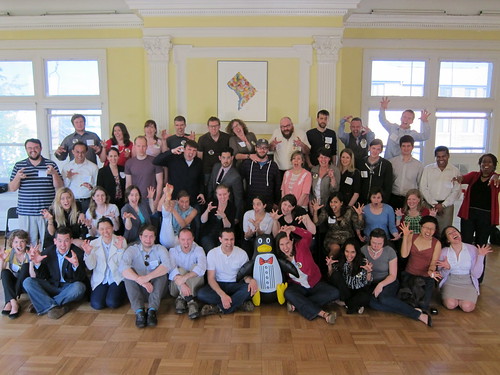
Eager to get more out of your Soapbox site? Want to hear the inside scoop on new features coming soon to Soapbox? Join your friendly PICnetters for the second annual Soapbox User Summit on Wednesday, May 8, 2013 in Washington, DC!
What do you get when you take Soapbox Events and expand its options for collecting attendee information as part of the reservation process? Why, online event management that's made to order and integrates seamlessly with Salesforce. 'Cause sometimes you just need to ask "Want fries with that?" 
Causeway connects nonprofit organizations with technology to help them operate more effectively, connect with larger audiences and raise more money. In other words, they are a match made in heaven for us and our Soapbox Engage platform! PICnet is proud to welcome CloudFixer as the latest certified Soapbox Engage Partner. CloudFixer automatically improves, cleans and maintains your Salesforce instance for you. In this guest blog post, they share tips from their data custodial expertise that can benefit your nonprofit.
This nonprofit-focused Salesforce stuff is pretty snazzy, don’t you think? People are building everything from online fundraising apps and wealth data sources to special migration tools and lots of other things to lower the cost of doing good. Soapbox Engage and Soapbox Mailer for Salesforce have assembled several widely trusted components (Joomla and Amazon Web Services) into something many nonprofits need, like simple event signups, donation forms, and a mass email tool integrating with Salesforce. These basic components can be quite a challenge to assemble and interconnect without a service like Engage. It's the "little" things that can bog down a DIY nonprofit person, like mobile-friendly templates. Having many of these snags taken care of by the platform is a plus. I also like how Soapbox unobtrusively inserts data as Leads, thereby working more seamlessly with the many different Salesforce data models we've seen in the wild. One other "little thing" that can drag down your organization is data hygiene. If you aren’t careful, you might not end up so happy with duplicates, staff turnover, and unused reports. |
 After five months of diligent cleaning and repair work in the wake of Superstorm Sandy,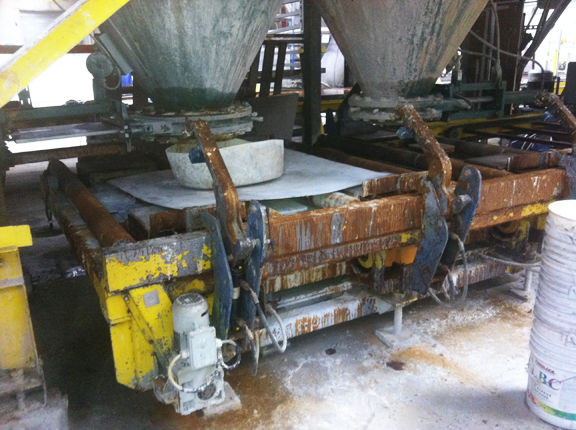





 Donations
 Events
 Petitions
 Forms
Forms Shop
Shop Directories