
While you may be focused on channels like social media, email, direct mail, and texting, have you considered optimizing your website for search engines?
Last year, 42% of all nonprofit website traffic was organic, meaning people visited nonprofits’ websites from unpaid search results. To maximize support, your website needs to be discoverable on search engines.
Search engine optimization (SEO) starts with finding keywords your supporters are looking up on search engines like Google and Bing. It also involves enhancing the content on your site to meet users’ needs and make it easy for search engines to crawl and index.
SEO may be the missing piece to your nonprofit marketing puzzle, helping you connect with supporters you might not reach with other channels. Let’s start by exploring the role of effective keyword research.
- Find Effective Keywords.
- Post High-Quality Content.
- Improve Your Technical SEO.
- Boost Your Nonprofit Website’s Authority With Offsite Efforts.
Find Effective Keywords.
Keywords are what potential donors, advocates, and volunteers type into search engines when they want to engage with causes like yours.
Identify these keywords using a keyword research tool like Google Keyword Planner, Moz, or Semrush. Enter different keywords into these tools to find search volume, competition, and suggestions for other keywords. They also help you analyze search intent and elements on the current search engine results page (SERP).
How To Narrow Down Your Keywords
- Understand your audience. Think about which terms your target audience would search to find you. Are they looking to donate, volunteer, attend events, or learn more about your cause? For example, an animal rescue nonprofit might be better off targeting specific keywords like “animal rescue volunteer opportunities” or “foster a dog” than “animal charity.”
- Start by researching mission-related terms. Keywords that reflect your nonprofit’s purpose might include “environmental nonprofit,” “homelessness prevention charity,” or “community health initiative.” From there, dig into more specific terms related to your activities, services, or geographic focus (e.g., “help homeless families in San Francisco”).
- Focus on relevant keywords with manageable competition. High-volume, broad keywords often come with fierce competition. Instead, focus on mission-related keywords that have moderate search volume and competition.
After identifying keywords, incorporate them naturally into your content. Keyword use is just one part of SEO, and it must be balanced with high-quality content (more on this in the next section).
Cornershop’s nonprofit SEO guide warns against keyword malpractices like keyword stuffing and invisible keywords. Overusing (or “stuffing”) keywords on your page can lower your content quality. On the other hand, hiding keywords by making them the same color as your background might seem like a shortcut to trick search engines. However, Google is getting better at considering the context around keywords and will catch on to what you’re doing.
Post High-Quality Content.
Content is the backbone of SEO. High-quality, purposeful content educates and inspires action, whether it’s donating, volunteering, or learning about your mission.
Your content is a great way to communicate with volunteers, donors, and supporters by telling them about your work, why it’s important, and how they can help.
Begin the content planning process by analyzing the search results for your chosen keywords. What do the top-ranking pages tell you about the people searching those keywords? Are they looking for educational resources, seeking to buy a product or service, or aiming to take an action like donating?
Google looks for content that’s helpful for readers, so prioritize quality over quantity.
How To Create Better Content
- Create content that addresses your audience’s questions or needs. Let’s say you run an environmental nonprofit. You could create a blog post that talks about different ways people can reduce their carbon footprint.
- Post a variety of content. Cover educational topics related to your mission, upcoming events, and impact stories. UpMetrics’ impact reporting guide also suggests uploading impact reports to your site to exercise transparency and build trust with your site’s visitors.
- Keep content updated. By consistently posting, you’ll signal to search engines and visitors that your nonprofit is actively managing its online presence. Remember, quality is more important than quantity, so don’t post just for the sake of posting!
- Include calls to action (CTAs). Each piece of content should have a distinct purpose, whether it’s to drive donations, awareness, event registrations, or volunteer signups. If you’re pushing an online fundraising campaign for a new community center, you might include CTA buttons or images that say “Donate Now to Build a Better Future!”
Creating content that resonates with supporters is an ongoing effort, but your site’s performance depends on it! Be consistent and refine your approach to find what content will inspire action and advance your cause.
Improve Your Technical SEO.
Technical SEO lays the foundation for your website’s search engine performance. It makes sure that search engines can crawl and index your website. Think of your nonprofit’s website as a Broadway show and technical SEO as your backstage crew. Without effective technical SEO, your website wouldn’t perform well!
Which Technical Elements To Focus On
- Website speed: Slow-loading pages frustrate visitors, lead to higher bounce rates, and negatively impact SEO performance. Shorten load times by optimizing images, minimizing unnecessary code, and leveraging browser caching.
- SSL certification: An SSL certificate encrypts data between the user's browser and your website. Google also uses it as a ranking factor. Install an SSL certificate from a trusted provider, so visitors will feel comfortable sharing information when donating, registering for events, and more.
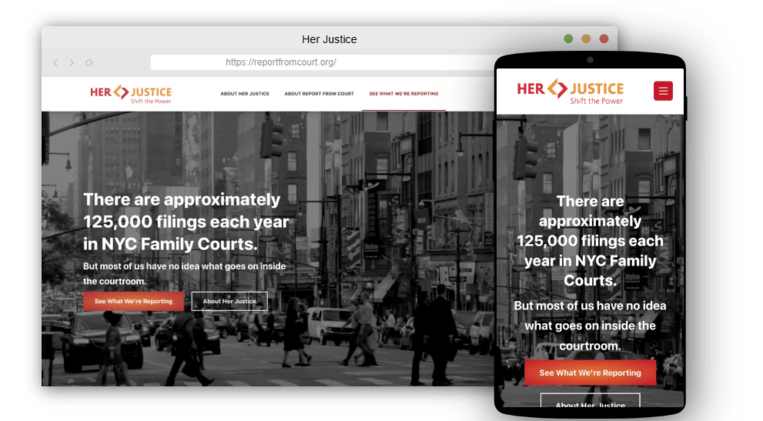
- Mobile friendliness: Use a responsive design that adapts your site to different screen sizes. Regularly test your nonprofit’s site on different devices to ensure it looks and works well for everyone.
- Broken links: Broken links lead to pages that no longer exist, negatively impacting crawlability. Regularly check for and fix these links using tools like Google Search Console or Screaming Frog.
- Optimized URLs: Short URLs are easier for users and search engines to understand. Use clear, concise keywords in your URLs, such as /homeless-shelter-volunteering.
- Internal linking: Links to your content help search engines crawl your site more efficiently and guide users to relevant content. Link to other pages within your site, especially high-priority content like your donation page or volunteer opportunities.
- Sitemap: Think of this as a roadmap of your website’s structure that helps search engines index your pages. Submit your updated sitemap to Google Search Console to ensure all important pages are discovered and indexed.
Your nonprofit’s content management system (CMS) can help optimize these elements. It likely includes features that make technical SEO adjustments easier, like optimized URL structures and automatic sitemaps. This way, you can focus on creating great content while your CMS streamlines the technical details.
Boost Your Nonprofit Website’s Authority With Offsite Efforts.
Offsite efforts (like building backlinks from credible sites) signal that reputable sources trust your website. This increases your Domain Authority and makes it easier for your website to rank for mission-related search terms.
Domain Authority (DA) is a metric developed by Moz to predict a site’s ranking potential. It’s not a direct ranking factor that Google uses, but it can help you:
- Benchmark your SEO performance against similar organizations
- Assess the authority of your backlink building efforts
- Identify opportunities to attract more organic traffic
You can strengthen your site’s reputation through the following collaborative and strategic offsite activities.
How To Build Your Site’s Authority
- Partner with trusted organizations. Work with other nonprofits, blogs in your niche, and local businesses for cause marketing opportunities. To earn relevant backlinks to your site, you might be featured on their partner pages or author a guest post on their blogs to show off your knowledge!
- Gain media coverage. Share press releases and line up feature stories with media outlets. Every time a news outlet or online publication mentions your nonprofit, you earn a backlink.
- Get listed in reputable directories. Being listed in high-authority directories builds credibility almost instantly! Register your organization with sites like Guidestar and Charity Navigator.
The most natural way to build backlinks is to create valuable resources like how-to guides, reports, or community toolkits that people want to share online.
Of course, a little help won’t hurt! Encourage your board members and supporters to share your content on social media and their personal blogs.
By implementing these nonprofit SEO strategies, your organization can improve its online visibility and reach more supporters. SEO is an ongoing process that requires attention to detail. With consistency and a focus on helpful content, your nonprofit can optimize its site and drive real-world impact.

 Donations
 Events
 Petitions
 Forms
Forms Shop
Shop Directories